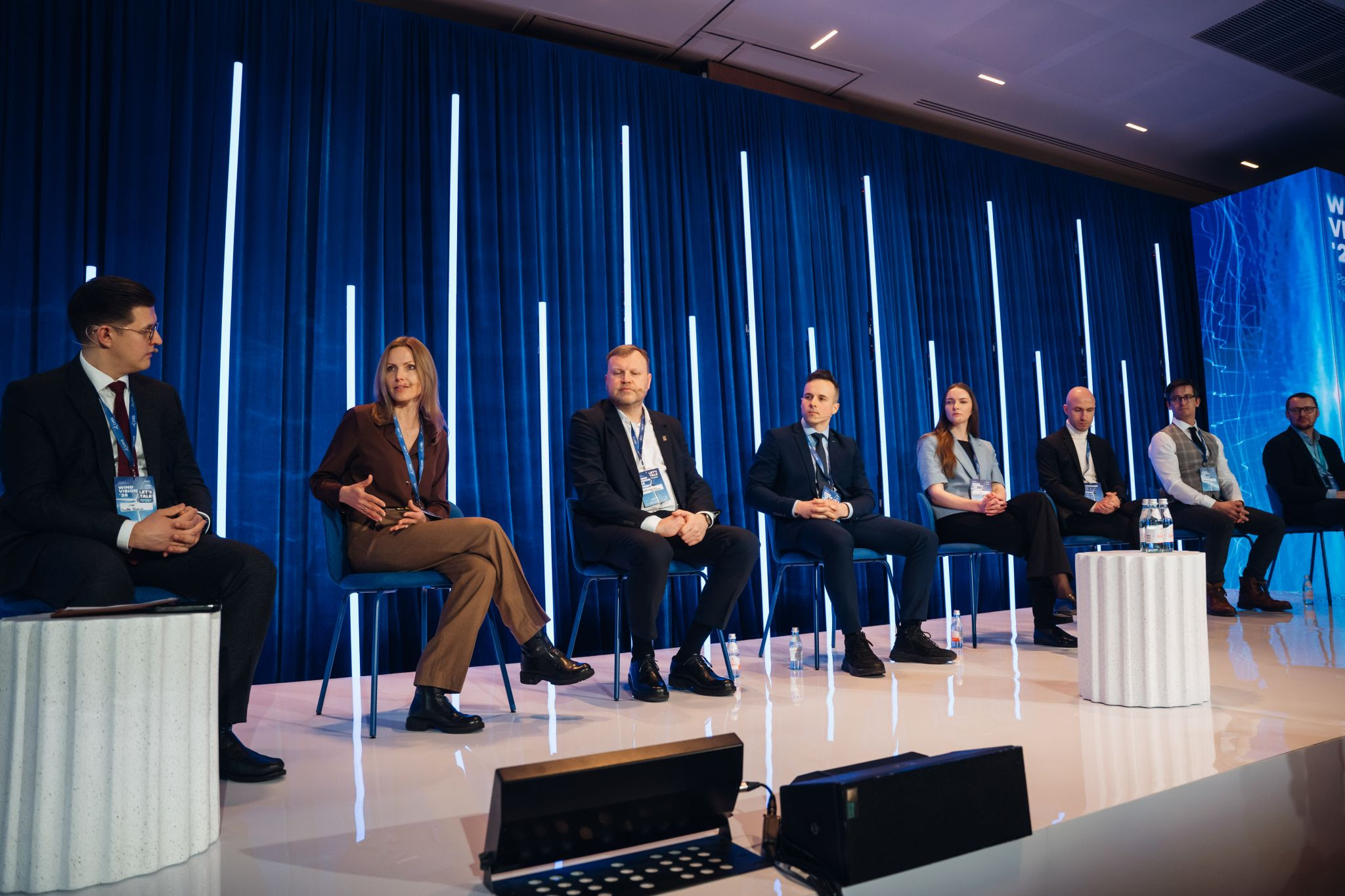
Sentris was among the speakers at the WIND Vision conference in Vilnius, where energy, infrastructure, and business leaders discussed Lithuania’s rapidly developing energy sector and its growing attractiveness for large-scale electricity users such as data centers and AI infrastructure.
During the conference, a positive outlook was presented for Lithuania’s energy future. Wind energy already covers approximately 33% of the country’s electricity demand, placing Lithuania among the top three countries in the European Union by this metric, with renewable generation capacity continuing to grow.
In parallel, Lithuania’s battery energy storage capacity is expected to reach around 1 GW this year and at least 2 GW next year, significantly increasing grid flexibility and strengthening the country’s ability to support energy-intensive industries.
According to E. Mėlinskė, the window for attracting large-scale data center investments may be relatively short:
“Artificial intelligence is growing rapidly now, and Scandinavia is a strong example of this trend. However, the market may become saturated sooner than expected, so it is important to catch this train while the opportunity is still open,” she said.
She also noted: “Ultimately, the economic benefits must outweigh the geopolitical risk, and we see strong energy fundamentals in Lithuania.”
The conference also highlighted the growing importance of waste heat reuse in urban energy systems. Speakers discussed how data centers can become part of city energy infrastructure by supplying excess heat to district heating networks instead of releasing it into the atmosphere. Several projects in Vilnius are already developing the integration of data center waste heat into residential heating systems, demonstrating how digital infrastructure can contribute not only to economic growth, but also to overall energy efficiency and sustainability.
The conference brought together representatives from the energy sector, infrastructure operators, policymakers, investors, and international renewable energy companies to discuss the future of Lithuania’s energy architecture and the country’s role in attracting next-generation industrial investment.